EVO ICL: Reinventing Vision Enhancement For Everyone


Write-Up By-Mohammad Butt
Over recent years, vision correction methods have changed considerably, providing more options and improved outcomes for those seeking clarification in their sight. One significant advancement in this field is the EVO ICL, or the Evo Implantable Collamer Lens. This novel procedure presents a new option for individuals who may be suitable candidates for traditional LASIK surgery or those who merely desire an alternative. With its original design and benefits, EVO ICL has become an ever more popular solution for treating refractive errors like myopia and farsightedness.
The EVO ICL offers long-lasting vision correction through a lens that is inserted inside the eye, offering unmatched freedom from glasses and contact lenses. This article will examine the EVO ICL procedure, exploring the many advantages and potential downsides associated with it, how it compares to LASIK, and crucially, who the ideal candidates for this surgery are. As we explore this detailed guide, you will gain vital insights to help you make an educated decision about your vision correction journey.
EVO ICL Procedure Introduction
The EVO ICL, or Implantable Collamer Lens technology, is a revolutionary method for correcting vision designed to treat a number of refractive errors, including short-sightedness, farsightedness, and irregular corneas. Unlike traditional laser-assisted in situ keratomileusis, which reshapes the cornea, the EVO ICL technique involves placing a slim lens in between the iris and the natural lens, providing long-lasting vision correction without the need for altering the cornea's structure. This method is particularly advantageous for patients with slender corneas or severe refractive errors who may not be ideal candidates for LASIK.
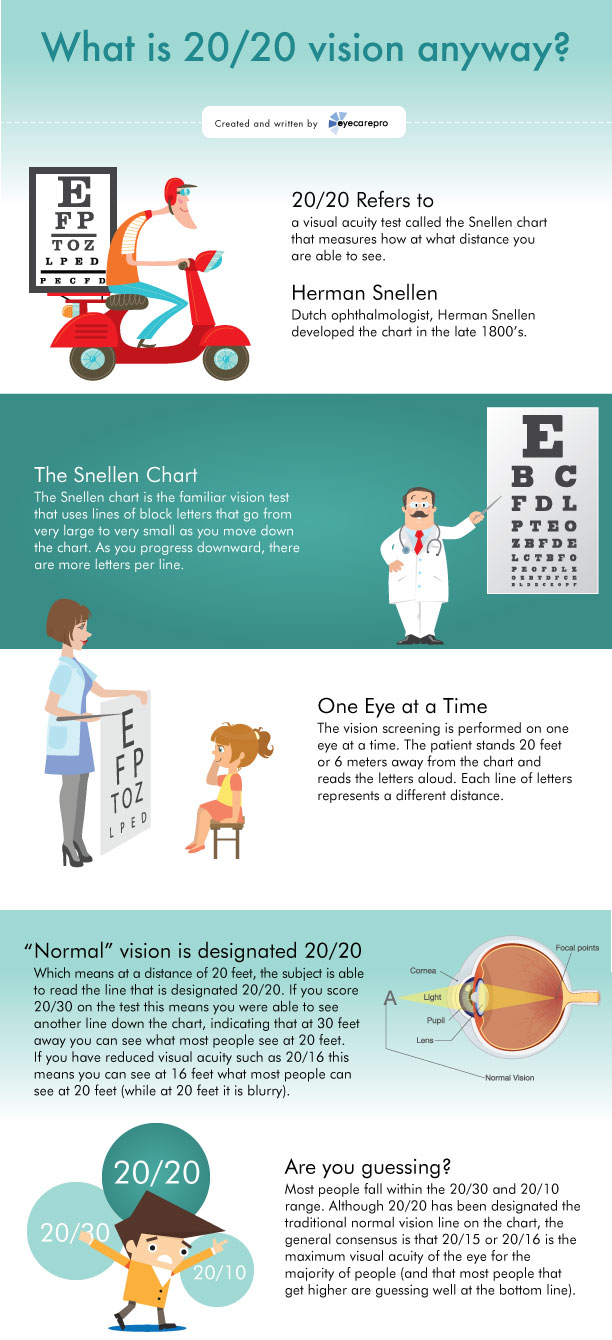
One of the major pros of the EVO ICL is its potential to offer excellent visual outcomes while minimizing complications often associated with other vision correction options. Many people report prompt improvements in their vision after the procedure, often reaching 20/25 vision or better. Additionally, the EVO ICL is made from a compatible with biological tissues substance that allows for seamless interaction with the eye, lowering the risk of problems such as dry eyes, which can be typical with LASIK.
For those considering EVO ICL, it is essential to know about the evaluation before surgery, the surgical procedure, and the post-operative care. The initial meeting with an eye care professional will help ascertain if you are an ideal candidate for the EVO ICL. Doctors perform a detailed examination, including evaluating corneal thickness, overall eye health, and evaluating your visual requirements, to make sure that this advanced solution is customized to your specific requirements.
EVO Implantable Collamer Lens Process Information
The EVO Implantable Collamer Lens procedure is designed to be minimally invasive with a emphasis on patient comfort and precise vision correction. The procedure begins with a thorough consultation, during which the surgeon evaluates the patient's eye health, vision needs, and overall suitability for the implantable collamer lens. Advanced imaging technology is often used to map the eye's surface to ensure the right lens type and size are selected for optimal positioning.
On the day of the surgery, patients receive anesthetic eye drops to numb the surface of the eye. The procedure usually takes about 15 to 30 minutes per eye. A small incision is made at the corneal edge, allowing the surgeon to insert the EVO ICL through a foldable lens. Once in place, the lens unfolds and is positioned behind the iris, providing an unobstructed field of vision. Patients usually remain awake during the surgery but may receive sedation for relaxation.
After the surgery, patients are taken to a recovery area in which they are monitored briefly. Numerous individuals notice improved vision right away or within a few hours. However, it's critical to follow post-operative instructions carefully and attend follow-up appointments to ensure proper healing and lens functionality. This careful approach to the procedure aims to provide long-lasting benefits and enhance the patient experience throughout the journey to better vision.
Contrasting the EVO ICL with Other Methods
As evaluating vision enhancement options, EVO ICL stands out among alternatives such as LASIK and PRK due to its unique advantages. In contrast to LASIK, which alters the cornea, EVO ICL is a implantable lens that is positioned behind the iris. This implies there is not any alteration of the corneal structure, rendering it a superior choice for individuals with thin corneas or higher degrees of refractive error, including high myopia and astigmatism. Those who may be suitable candidates for LASIK may find EVO ICL to be a safer and better choice.
A further comparison can be drawn against SMILE (Small Incision Lenticule Extraction), a recent laser procedure that also modifies the cornea. While Long Beach Implantable Collamer Lens is more invasive than traditional LASIK, it still involves corneal manipulation. EVO ICL, on the other hand, permits a retractable procedure, since the lens can be extracted or replaced if needed, providing flexibility which is not provided by SMILE. This reversibility can be a crucial factor for patients who may worry about future outcomes or variations in vision.
Pricing is another critical factor when contrasting these procedures. While EVO ICL tends to be more expensive than LASIK initially, it is essential to consider the long-term value and possible financing options. Many clinics offer payment plans, making EVO ICL more accessible to patients. In addition, the reduced incidence of dry eye symptoms and the accuracy offered by EVO ICL can result in better overall satisfaction, rendering the investment worthwhile in the eyes of many patients.
EVO Implantable Collamer Lens Results and Recovery
The Implantable Collamer Lens surgery typically results in impressive results, with many individuals achieving 20/25 vision or better shortly after the procedure. The Implantable Collamer Lens is engineered to boost vision while preserving the cornea, which makes it an ideal option for those with severe nearsightedness or irregular corneas. Individuals often experience a rapid improvement in clarity and overall visual quality, finding that they can return to daily tasks with few interruptions.
Healing after the Implantable Collamer Lens surgery is generally quick and simple. Most individuals notice an initial enhancement in vision within a few hours following the surgery. https://collegian.com/2014/09/colorado-state-students-travel-world-semester-sea/ is common to feel some light discomfort or dryness for a brief period, but this typically diminishes within a few days. Follow-up appointments are essential to monitor healing and ensure the best results, enabling patients to see clearly in a relatively short time frame.
Long-term results for EVO ICL procedures show elevated satisfaction rates among patients. Research show that many patients keep their improved vision for an extended period following the procedure. While some may get side effects such as glare or halos, these are often minimal compared to other surgeries like LASIK. Ultimately, the combination of quick recovery and lasting vision correction makes EVO a compelling choice for those seeking a dependable solution to vision issues.