Examining View Improvement Options: Refractive Lens Exchange Contrasted To Conventional Strategies


Authored By-Alstrup Poe
In the realm of vision correction, people often discover themselves considering a multitude of options, ranging from traditional methods including glasses and contact lenses to more advanced surgical procedures such as refractive lens exchange. This increasingly popular solution, known as lens replacement, is intended to treat different vision issues, including difficulty reading up close, high myopia, and other refractive errors. As an increasing number of individuals seek a lasting remedy for their vision needs, grasping the nuances of lens replacement surgery becomes crucial.
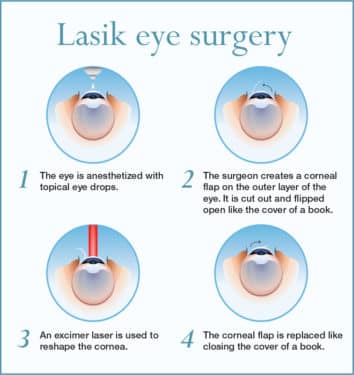
In this all-inclusive article, we will delve into the advantages, risks, and recovery aspects of lens replacement surgery, comparing it to older techniques such as LASIK and analyzing variables that influence eligibility and financial considerations. If you are interested in the surgical steps, its benefits over standard methods, or the recovery process, this piece aims to equip you with all the insight you need to decide wisely about your quest for visual clarity.
Grasping Options for Lens Replacement
Lens replacement surgery, also known as refractive lens exchange, is an advanced procedure intended to correct vision issues by substituting the eye's innate lens with an implanted lens. This choice is particularly helpful for individuals with high prescriptions, age-related vision changes, or other vision defects. The surgery not only strives to boost sight clarity but also decreases the need for glasses or contact lenses, which makes it a popular option for many.
There are various types of artificial lenses available, allowing for customization based on specific visual requirements. Luxury lens selections, such as long-range focus lenses or accommodating lens implants, provide significant improvements in achieving a broader range of vision. Knowledge of these alternatives is crucial for patients to make wise selections about their eye care. Thorough discussions with knowledgeable lens replacement surgeons help ensure that the right choice aligns with daily activities and visual demands.
It is important to evaluate both the advantages and the associated risks entailing lens replacement surgery. While the operation can lead to remarkable improvements in vision, there may be risks, like infections or light glare, which should be discussed during the initial meeting. Evaluating candidacy for the surgery and understanding what to expect before, during, and after the procedure can significantly affect the overall experience and outcomes of lens replacement options.
Advantages and Drawbacks of Lens Replacement Surgery
Lens replacement surgery offers substantial advantages for patients seeking corrected vision. Lens Replacement Payment Plans of the primary advantages is the chance for better vision without the need on spectacles or contact lenses. Custom lens replacement techniques can resolve a variety of vision issues, including presbyopia and severe prescriptions, offering options like high-quality lens implants that enhance focal depth. Many patients report instant gains in their vision quality and sharpness after the procedure, leading to a better overall quality of life.
Despite the numerous advantages, it is crucial to evaluate the potential downsides associated with lens replacement surgery. As with any operation, there may be issues such as infections, hemorrhage, or negative responses to the anesthesia. Patients might also experience temporary symptoms, including vision problems or discomfort during the recovery period. It is vital for candidates to be aware about these potential risks and discuss them in detail with an experienced ophthalmologist before proceeding with the surgery.
Another factor to weigh is the healing process. While many people see quick improvements, the complete recovery timeline can differ, with some experiencing discomfort or variations in vision for a short time post-surgery. Understanding the expected recovery time and adhering to the aftercare protocol is critical to guaranteeing a successful recovery. By balancing the benefits against the drawbacks and taking into account individual situations, people can make informed decisions about whether lens exchange procedure is the right choice for them.
Candidacy and Assessment Process
Assessing candidacy for lens replacement surgery involves a thorough assessment by an experienced eye care professional. Ideal candidates often include individuals with vision issues such as nearsightedness, farsightedness, or presbyopia who desire a permanent solution for improving eyesight rather than relying on glasses or contact lenses. Factors such as age, overall eye health, and the presence of conditions like cataracts or thin corneas can impact eligibility, making it essential for potential candidates to discuss their specific circumstances during the meeting.
The assessment process is vital for understanding individual requirements and expectations. During this appointment, the surgeon will conduct various diagnostic tests to measure visual acuity, eye pressure, and the overall health of the eyes. This thorough assessment aids in identify the best lens choices, whether it be accommodating lens implants or high-quality lenses for enhanced depth of focus. Candidates will also have the opportunity to ask questions about the procedure, recovery timeline, and any concerns regarding potential dangers or issues.
In addition to evaluating physical suitability, the consultation serves as an excellent chance for candidates to grasp the financial details of lens replacement surgery. Conversations may cover the cost breakdown, financing options available, and whether flexible spending accounts or HSA can be utilized. This transparency not only helps in making educated decisions but also ensures that candidates feel fully prepared and secure moving forward with their vision correction journey.
Price and Financing for Lens Replacement
The cost of lens surgery procedure can vary considerably based on various elements, including the surgeon's expertise, the equipment used, and the kind of implants chosen. On average, the total cost can range from multiple thousands dollars per ocular to over ten thousand for premium choices like premium implants. It is essential to have a clear understanding of what is included in the quoted cost, such as pre-surgery evaluations, post-surgery care, and any possible upgrades or additional procedures.
Financing choices are often available to make lens replacement more accessible. Many facilities offer installment plans, which can help divide the expenses over a manageable time frame. Additionally, some providers may offer funding with little to no interest, making it feasible for clients to pay for the procedure without significant economic burden. https://hauteliving.com/hautebeauty/638207/this-is-what-you-need-to-know-about-eaglevision%EF%B8%8F-lasik-surgery/ to inquire about these options during your initial meeting.
Individuals should also think about using Health Savings Accounts or Flexible Spending Accounts to cover the costs of lens replacement. These plans allow for tax-free funds to be used for health costs, effectively reducing the total cost burden. Furthermore, talking with your accountant about potential write-offs related to vision correction treatments could yield further benefits.