Eyes Wide Open: How The SMILE Treatment Changed My Presence


Developed By-Tobin Medeiros
Living with vision problems can be incredibly hard, affecting both daily activities and the overall quality of life. For quite some time, I faced challenges with nearsightedness, dependently using glasses and contacts that often felt more as if they were a burden than a solution. That was until I found out about SMILE eye surgery, a groundbreaking procedure that entirely transformed my connection with vision. As I explored what SMILE eye surgery entails, I found myself intrigued by its innovative approach and promising benefits.
Understanding how SMILE laser eye surgery works and what it could offer was the first step towards my decision. The idea of a quick recovery and minimal side effects initially drew me in, but it was the potential to enjoy life without traditional corrective lenses that finally persuaded me to take the leap. In this article, I will outline my personal journey with SMILE eye surgery, detailing its benefits, the costs associated, and what to expect during recovery, as well as comparing it with other options like PRK. Join me as I narrate how this incredible procedure changed my life and opened my eyes to a world of clarity I had long been lacking.
Grasping SMILE Procedure
Small Incision Lenticule Extraction, or SMILE, is a innovative procedure designed to address shortsightedness, commonly known as myopia. Unlike traditional LASIK, which entails forming a sheet in the cornea, SMILE improves accuracy by using a high-precision laser to excise a small bit of cornea tissue through a tiny incision, which results in less issues and a speedier recovery time. This less invasive method ensures substantial advancements in sight with reduced risk of after surgery problems.
The key to comprehending how SMILE Eye Surgery operates lies in its state-of-the-art laser methods. mouse click the following article begins with a exact laser that creates a lenticule, a disc-shaped segment of material, within the outer layer of the eye. This tissue is then meticulously extracted through a tiny cut, allowing the cornea to reshape and fix the visual impairment related to nearsightedness. The entire process is rapid, normally lasting roughly 30 minutes, and its accuracy contributes to a speedier healing, allowing patients to resume normal routines very soon post.
One of the most appealing benefits of SMILE Eye Surgery is its range of benefits. Patients can anticipate substantial vision enhancement, a minimized risk of dry eye syndrome, and lower post-operative pain compared to other operative options like PRK or LASIK. Additionally, the minimally invasive nature of the procedure ensures that there is no sheet to heal, thereby lowering risks. Overall, SMILE provides a modern answer for those desiring independence from glasses or contact lenses, permitting them to experience a lifestyle with clear view.
Benefits and Healing
Small Incision Lenticule Extraction eye surgery offers many benefits that make it an intriguing option for those seeking vision correction. One of the primary benefits is its non-invasive nature. Unlike classic LASIK procedures, SMILE does not require the creation of a big corneal flap, which reduces the risk of complications and promotes faster healing. Patients often experience less discomfort and speedier visual recovery, permitting them to get back to their daily activities more quickly.
The recovery process after SMILE surgery is typically simple. Many patients notice an improvement in their vision within a day or several days, and full stabilization often occurs within a few weeks. This swift recovery period is a significant factor for individuals who are eager to avoid extended downtime. Following the procedure, patients are advised to follow their doctor's post-operative care instructions, which may include using prescribed eye drops and avoiding straining activities for a short period.
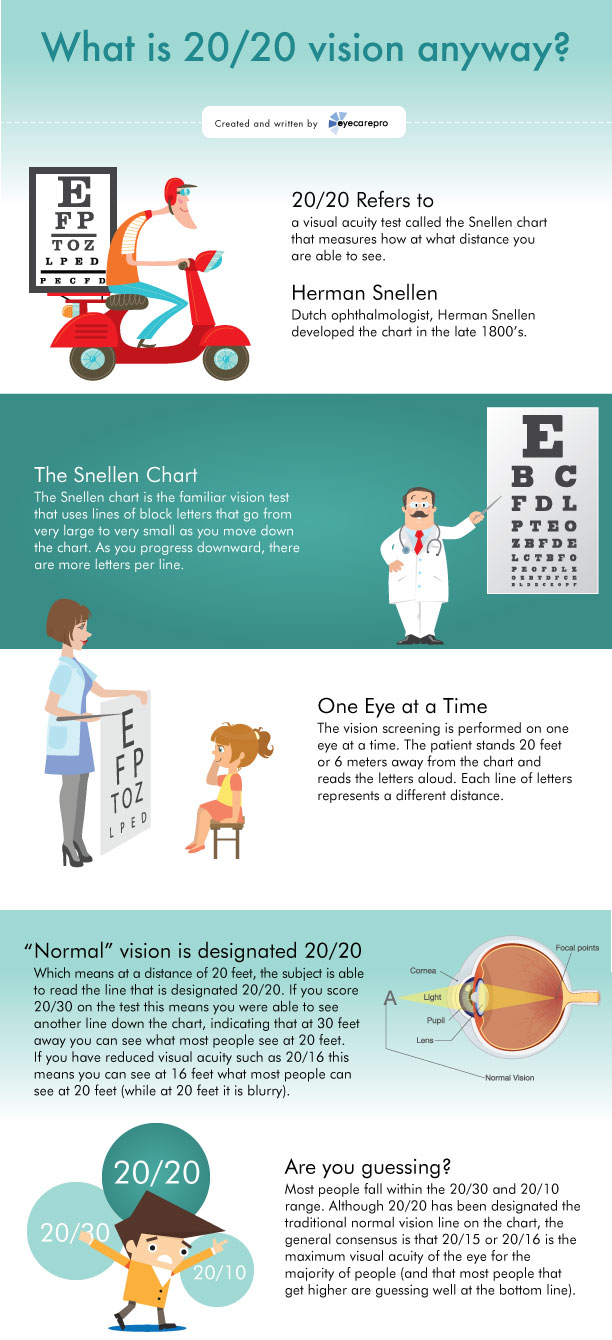
Furthermore, SMILE surgery is especially effective for correcting nearsightedness, making it a great option for those with myopia. The precise nature of the procedure means that many patients achieve 20/20 vision or better, enhancing their quality of life without the reliance on glasses or contact lenses. The advantages of SMILE eye surgery extend beyond just correcting vision—patients often report a increased sense of freedom and confidence in their daily lives after the procedure. spintax
Pricing Factors
When considering SMILE eye surgery, grasping the expenses involved is important. The mean price of SMILE laser eye surgery can differ considerably based on various factors, such as geographical location, the experience of the surgeon, and the specific technology used. On average, patients might anticipate to spend between two thousand to four thousand dollars per eye. This preliminary investment can be seen as a sustainable solution to visual impairment, particularly when factoring in the ongoing costs of glasses or contact lenses over a lifetime.
Insurance for SMILE surgery is an additional important aspect to consider. Many health plans view this procedure as optional, which means they may not include it at all. However, some plans may offer partial coverage or financing options. It is advisable to check with your insurance provider to know what is covered and explore any available financing plans that can help spread the payment over time.
Beyond the upfront expense, potential unexpected costs should also be on your radar. These can include pre-operations evaluations, post-operative follow-up visits, and any necessary enhancements that might be needed later. It’s essential to ask the clinic for a thorough breakdown of all costs associated with the SMILE procedure to avoid any unexpected expenses. Grasping these elements helps in making an informed decision about whether SMILE eye surgery is the right choice for you.
Comparison to Alternative Procedures
As considering laser eye operations, it's essential to comprehend how SMILE differs against alternative commonly known procedures such as LASIK and PRK. Although LASIK entails developing a layer in the cornea to reshape it, the SMILE procedure is considerably advanced, because it works without forming a layer. This not only reduces the risks connected to layer complications but also promotes a better corneal structure after surgery. In opposition, PRK removes the outer surface of the cornea, which can lead to a lengthy recovery time compared to SMILE.
A different primary difference is healing time. Patients generally experience a quicker recovery with SMILE than both LASIK and PRK. Many individuals return to their regular activities in a day or two following SMILE surgery, while PRK can take a week or more for vision to normalize. This rapid recovery is a significant the perks that makes SMILE laser eye surgery attractive, especially for those with busy lifestyles.
Finally, when it comes to costs, SMILE laser eye surgery typically falls within a like price scope as LASIK, although it may be more expensive than PRK. https://mgyb.co/s/rAFXq can differ based on variables such as the facility and geographical location. While talking about SMILE surgery cost, it's essential to consider the overall benefits and the potential for long-term vision gain, which can render it a good investment for those seeking freedom from glasses or contact lenses.